
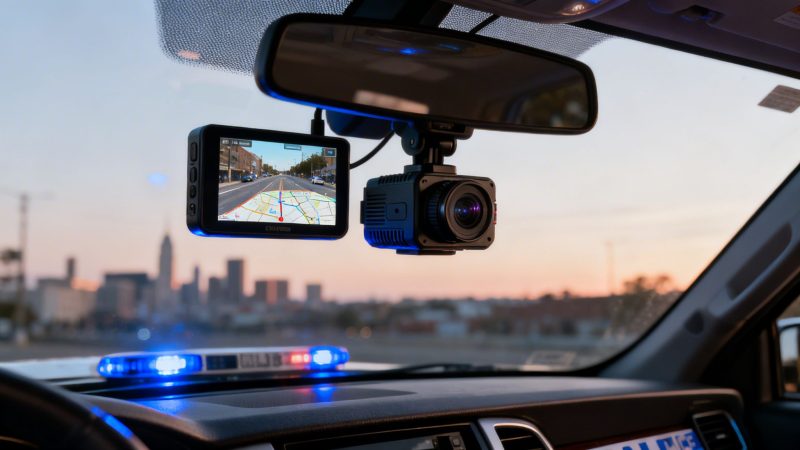
A Guide to Police Dashboard Cameras for Modern Law Enforcement
Police dash cams have become so much more than just a recording device in a patrol car. They've moved from a "nice-to-have" gadget to an absolutely essential piece of equipment, providing the kind of objective video evidence that protects officers and builds public trust. These systems aren't just simple recorders anymore; they are critical data hubs for modern policing.
Why Police Dashboard Cameras Are No Longer Optional
Not too long ago, you could debate whether a department really needed in-car cameras. Those days are over. Today, they are a fundamental part of public safety infrastructure, serving a much bigger purpose than just hitting 'record'. They've become a cornerstone for transparency and officer protection.
It’s crucial to understand the massive difference between a consumer dashcam you'd find online and a professional, police-grade system. A consumer camera is built to record an accident for insurance. A police dashboard camera is a rugged, tamper-proof system designed to capture legally defensible evidence under the toughest conditions.

This table breaks down the most important distinctions. It’s not about which is "better," but about understanding why law enforcement requires specialized equipment built for the job.
Key Differences Between Police-Grade and Consumer Dashcams
| Feature | Consumer Dashcam | Police-Grade Dashcam |
|---|---|---|
| Durability | Plastic housing, not built for impact or extreme temperatures. | Ruggedized, designed to withstand vehicle vibrations, extreme heat/cold, and potential impacts. |
| Evidence Security | Files are often stored on a removable SD card that can be easily tampered with or lost. | Tamper-proof internal storage with encrypted files and a secure chain of custody. |
| Recording Triggers | Manual start/stop or g-sensor for accidents. | Automated triggers (e.g., light bar activation, siren, specific speed) ensure critical incidents are never missed. |
| Data Management | User manually removes the SD card to transfer files. | Secure, automated offloading via Wi-Fi or cellular to a centralized evidence management system like Axon Evidence. |
| Integration | Standalone device with no connection to other systems. | Integrates with body-worn cameras, computer-aided dispatch (CAD), and records management systems (RMS). |
| Low-Light Performance | Basic night vision, often grainy and unusable for identification. | Advanced infrared (IR) and low-light sensors to capture clear, identifiable footage in near-total darkness. |
| Pre-Event Buffering | Limited or no pre-recording capability. | Constantly buffers video (e.g., 30-60 seconds) so when the record trigger is activated, the events leading up to it are also saved. |
As you can see, a police-grade system is built from the ground up for evidence integrity, reliability, and automation—things that are simply not a priority for a consumer product.
The Shift From Accessory to Necessity
The adoption of in-car cameras has exploded for a reason. One major study found that state police vehicles were equipped with 17,500 of these cameras, covering a massive 72% of the total state patrol fleet. The results speak for themselves; some agencies have seen citizen complaints plummet by as much as 93% after rolling them out. The video simply provides an objective story. For a deep dive, you can explore the full findings on the widespread adoption and impact of in-car cameras in law enforcement.
This isn't a trend; it's a fundamental shift driven by the camera's power to act as an impartial witness on every call.
From an agency perspective, the math is simple. A quality dashcam system isn't an expense; it's an investment. The money saved from a single exonerated lawsuit or a disproven complaint can easily pay for the entire system, sometimes several times over.
Real-World Scenarios and Financial Savings
The true value of these cameras is proven on the street every single day. They do far more than just record what happens.
- Exonerating Officers: A driver files a complaint alleging an officer was rude and unprofessional during a traffic stop. You pull the dashcam video, which shows a textbook-perfect, professional interaction. The false claim is immediately disproven, saving dozens of man-hours and thousands of dollars in a potential internal investigation and legal defense.
- Securing Convictions: A patrol unit stops a suspected drunk driver. The camera captures every detail—the erratic driving before the stop, the driver’s slurred speech during questioning, and the clear failure of a field sobriety test. That footage becomes the prosecution's star witness, often leading to a guilty plea and saving the costs of a lengthy trial.
- De-escalating Encounters: People behave differently when they know a camera is rolling. The visible presence of a dashcam often encourages calmer interactions, making things safer for both the officer and the public. A simple "Sir, for your safety and mine, this interaction is being recorded" can lower the tension immediately.
At the end of the day, the biggest financial benefit is risk mitigation. Having reliable video evidence on hand drastically reduces litigation costs and can even help lower liability insurance premiums. When a dashcam system prevents just one big lawsuit, it has more than paid for itself.
Understanding Essential Dashcam Features and Technology

When you're shopping for police dashboard cameras, it's easy to get lost in the tech specs. But beneath the tough, rugged housing, there are a handful of core features that make the difference between a simple recorder and a tool that wins court cases. Getting a handle on these technologies is non-negotiable before your agency puts down any serious money.
The feature everyone talks about first is video resolution. Most systems today offer a solid 1080p HD, but the jump to 4K resolution is where you see a real-world advantage.
Think of it this way: 1080p will show you that a car has a license plate. 4K gives you the razor-sharp clarity to actually read every single character on that plate from 50 yards away, even if you have to zoom in on the footage later. That level of detail isn't a luxury—it's what's needed for positive IDs and building an ironclad case for prosecutors.
It's Not Just About Resolution
While resolution gets the spotlight, it's just one part of the equation. A few other features are just as vital for real-world police work. A wide field of view (FOV), for instance, is absolutely critical for capturing the full context of a scene.
A camera with a narrow view might only see what’s dead-ahead of the patrol car. But a system with a 140-degree or wider FOV can catch events playing out on the sidewalk or in the next lane over—details that can make or break an investigation. For example, it could capture a passenger tossing contraband out the window, evidence that a narrow-view camera would completely miss.
Actionable Money-Saving Insight: Prioritize superior low-light and infrared (IR) performance, even if it carries a higher upfront cost. A system that captures a clear, identifiable face or license plate at night can prevent a single DUI or felony case from being dismissed due to poor evidence. This saves the agency thousands in potential legal challenges and lost court costs, and a single secured conviction pays for the feature upgrade.
Great low-light performance means the camera can see clearly at dawn and dusk without the video turning into a grainy mess. True infrared (IR) takes it a step further, letting officers record usable evidence in near-total darkness. For any kind of nighttime patrol or surveillance, that’s a must-have.
Automatic Buffering and Data Overlays
Modern dashcams are smarter than just "press record." Two features in particular—pre-event buffering and data overlays—are huge for maintaining evidence integrity.
Pre-Event Recording: Think of this as an instant replay for police work. The camera is always recording to a short-term buffer, usually holding the last 30 to 120 seconds. When an officer hits the lights or manually starts the recording, the system automatically tacks on that buffered video. This feature is invaluable for showing exactly what led up to a traffic stop or use-of-force incident, capturing the erratic driving or initial aggression that justified the officer's action.
GPS and G-Force Sensors: These sensors embed crucial data right onto the video file. GPS tagging confirms the vehicle's exact location and speed, creating a verifiable timeline that's incredibly hard to dispute. A G-force sensor can even trigger a recording automatically during a crash or sudden impact, capturing evidence even when the officer can't.
This automatic data logging is what elevates a simple video into rock-solid evidence. It adds an objective, data-backed layer to what the officer saw, strengthening the chain of custody and making the footage far more powerful in court.
Integrating Dashcams into Your Agency's Workflow
A modern police dashcam is so much more than a simple recording device. If you're still just swapping SD cards, you're working with an outdated model. The real power comes from plugging these cameras directly into the systems your team already depends on—dispatch, comms, and evidence management.
When your cameras are part of a unified system, they stop being a passive evidence-gathering tool and become a live intelligence asset. This approach tears down the data silos that keep video locked in one place, GPS in another, and reports in a third. It brings everything together, giving command staff and dispatchers the complete picture.
Creating Real-Time Situational Awareness
Let’s walk through a real-world scenario. An officer kicks off a high-risk vehicle pursuit. In a truly integrated system, that single action can trigger a whole chain of events automatically.
- The dashcam immediately starts live-streaming video straight to the dispatch console.
- Your dispatcher sees exactly what the officer is seeing, second by second.
- At the same time, the camera’s GPS data hits the dispatcher's map, tracking the vehicle's location, speed, and direction in real time.
This isn't some futuristic idea; it's a capability that completely changes how agencies handle critical incidents. The dispatcher is no longer just a voice on the radio, relaying information that's already a few seconds old. They become a second set of eyes, providing overwatch and coordinating backup with perfect clarity. They can guide other units to intercept points, call out hazards they see on the live feed, or give descriptions of suspects bailing from the car.
Dashcams have come a long way from their humble beginnings in police cruisers to becoming a global standard, with law enforcement paving the way. For public safety agencies and security firms using a platform like Resgrid, this means unified interfaces that combine camera feeds with scheduling, chat, and GPS tracking. Imagine dispatchers watching a live pursuit to position resources perfectly. This police-driven tech is fundamentally changing dispatch for the better, as you can see in the global dashboard camera market report.
Actionable Money-Saving Insight: An integrated system creates a single, unbroken chain of custody from the street all the way to the courtroom. By automating the upload, tagging, and storage of video evidence into one central platform, you cut out hours of manual work for your officers. If each officer saves just 15 minutes per shift on evidence handling, a 20-officer department reclaims over 1,300 hours of patrol time per year, a massive efficiency gain that directly translates to labor cost savings.
A Unified Platform for Efficiency and Safety
The payoff from integration goes well beyond just one incident. When your police dashboard cameras are talking to your central management system, you're building a foundation for a more efficient and safer department. Dispatch platforms can pull multiple data streams—live video, GPS locations, officer status, and CAD info—onto a single screen.
This consolidated view helps dispatchers make faster, smarter decisions, which is one of the core ideas behind a system like Resgrid. To get a feel for how these tools work together, you can explore the full range of features a unified platform offers.
This integration delivers a huge safety advantage. When backup officers are rolling up to a tense scene, they don't have to go in "cold." Command can brief them with live intel pulled directly from the on-scene camera, making sure they know exactly what they’re walking into. That level of informed response is a complete game-changer for reducing risk and getting better outcomes.
Navigating Legal and Data Management Policies
Getting police dashboard cameras into your patrol cars is about a lot more than just mounting hardware. You’re also building a foundation of clear policies that dictate how they’re used, how you protect privacy, and how you guarantee the footage is solid evidence. Without a rock-solid legal and data framework, even the best camera system can turn into a headache, creating legal messes and eye-watering data storage bills.
Honestly, a successful rollout hinges on getting the policies right from day one. This means creating transparent, easy-to-understand rules for both your officers and the community you serve. These policies have to cover everything from when an officer must start recording to who gets to see the footage and why.
The Cornerstones of a Strong Dashcam Policy
A comprehensive policy is the bedrock of a successful program. It protects your agency, keeps officers accountable, and builds public trust by showing you’re serious about transparency. Think of it as the rulebook for every part of the system.
Here are the absolute must-haves for a strong policy:
- Activation Triggers: Spell out exactly when officers have to turn their cameras on. This typically includes traffic stops, pursuits, and any time the emergency lights are activated. Automatic triggers are definitely the best practice here.
- Deactivation Rules: You also need to define the very limited situations where a camera can be turned off, like during sensitive conversations with a victim or confidential informant.
- Data Access and Review: Get specific about who is authorized to view footage (e.g., supervisors, internal affairs, prosecutors) and for what reasons. This is key to preventing random browsing and misuse of sensitive video.
- Public Records Requests: Outline your process for handling Freedom of Information Act (FOIA) requests for video, including how you’ll redact faces or other sensitive information before release.
This diagram gives a simple overview of how footage moves through the system during an active event.

This flow from pursuit to streaming and coordination really drives home the need for policies that cover both real-time data use and how evidence is handled after the fact.
Smart Data Retention and Chain of Custody
Let’s be real: managing the sheer volume of video is one of the biggest hurdles agencies face. Storing every single second of footage forever isn't just a bad idea—it’s incredibly expensive. A smart data retention strategy is your best money-saving tool.
Actionable Money-Saving Insight: Put a tiered retention schedule in place. For instance, automatically delete non-evidentiary footage, like a routine patrol with zero incidents, after 90 days. Meanwhile, any footage tied to felonies, use-of-force incidents, or citizen complaints gets flagged for indefinite retention. This approach alone can cut your long-term storage costs by a massive 70-80%, saving a mid-sized agency tens of thousands of dollars annually on cloud hosting fees.
Just as important is maintaining a perfect chain of custody. Modern systems nail this with automated, secure uploads to a central cloud platform. When an officer’s shift ends, the footage is wirelessly transferred, encrypted, and logged—all without anyone having to touch a file. This automated process creates an unbreakable, auditable trail from the car to the courtroom, making sure the footage holds up as evidence.
If you want more details on how data security is handled on our end, you can check out our commitment to protecting sensitive information in the Resgrid Privacy Policy. You can find that here: https://resgrid.com/privacy.
Finally, getting rid of data correctly at the end of its life is a critical legal step. When you decommission old servers or hard drives that held sensitive footage, you have to be certain that data is gone for good. Getting a hard drive destruction certificate provides the official, auditable proof that your agency has met its compliance duties and protects you from any liability down the road.
A Practical Checklist for Procurement and Deployment

Rolling out a new police dashcam system is a huge lift. It’s the kind of project that needs careful, methodical planning to get right. If you move step-by-step, from vetting vendors all the way through to training your officers, you can sidestep costly mistakes and make sure you're getting a real return on your investment.
This isn't just about bolting some hardware into your patrol cars. You're bringing a new technology platform into the fold, one that will become a daily part of your operations. A checklist is your best friend here, ensuring no critical detail gets missed.
The Procurement Phase
Before you even think about signing a contract, your mindset should be on finding the right long-term partner, not just the vendor with the flashiest demo or the lowest initial price. This all starts with how you write your Request for Proposal (RFP).
Actionable Money-Saving Insight: Structure your RFP to demand pricing based on Total Cost of Ownership (TCO) over five years. This forces vendors to be honest about all the recurring fees for data storage, software licenses, and support plans, preventing you from choosing a system that looks cheap upfront but costs a fortune in hidden fees over time.
To see how this plays out, let's look at a common scenario. This table shows exactly why looking past the sticker price is so critical.
Total Cost of Ownership (TCO) Comparison Over 5 Years
This is a simple but powerful way to evaluate the true, long-term cost of a system. Here, we compare an option with a low upfront price against one with a higher initial cost but much lower recurring fees.
| Cost Factor | System A (Low Upfront Cost) | System B (Higher Upfront Cost) |
|---|---|---|
| Upfront Hardware Cost | $2,000 per vehicle | $3,500 per vehicle |
| Annual Cloud Storage | $600 per vehicle | $300 per vehicle |
| Annual Software License | $250 per vehicle | Included |
| Warranty/Support | $150 per vehicle | Included |
| 5-Year TCO per Vehicle | $7,000 | $5,000 |
As you can see, the "cheaper" System A ends up costing $2,000 more per vehicle over the five-year lifecycle. This is a classic pitfall. A TCO-focused approach helps you avoid it entirely. You can even explore different pricing models to find what fits your agency's budget. To see an example of this kind of transparent cost structure, check out our straightforward pricing plans.
Run a Pilot Program
One of the best ways to protect your investment and guarantee a successful rollout is to run a pilot program. Think of it as a real-world test drive before you commit to outfitting the entire fleet.
- Select Top Vendors: Pick your top two or three contenders from the RFP process.
- Equip a Small Group: Install each system in a handful of patrol cars, making sure to cover different shifts.
- Gather Officer Feedback: Let your officers use the systems in the field for 30-60 days. They are your end-users, and they will immediately spot the workflow issues and usability problems you’ll never find on a spec sheet.
- Analyze the Results: Collect detailed, honest feedback on everything from video quality to how easy it is to tag and pull footage.
This hands-on evaluation is your safeguard against getting locked into a contract for a system that your officers can't stand using.
The Deployment and Training Phase
Once you’ve made your choice and picked a vendor, the focus shifts to getting it done. A smooth deployment hangs on a clear plan for installation, training, and communication.
Your installation plan should be a coordinated dance between the vendor and your fleet management team to keep vehicle downtime to a bare minimum. When it comes to training, go beyond a simple "how-to" session. Center your training around agency policy, explaining the why behind the rules for activation and evidence handling. This builds genuine understanding and gets officers on board.
Finally, talk to your community. Announce the deployment of your new police dashboard cameras with press releases and at community meetings. This proactive step frames the technology as a tool for transparency and accountability, building public trust from day one. This isn't just an investment in equipment; it's a commitment to modern policing.
This trend is everywhere. North America's dashboard camera market is projected to skyrocket to USD 1.31 billion by 2026, a surge driven almost entirely by law enforcement adoption. The impact is undeniable. We've seen similar results in commercial fleets, where AI dashcams have led to crash reductions of over 70%. You can learn more about the growing market for dashcam technology and its impact and see just how profoundly this technology is changing safety and operations.
Answering the Big Questions About Police Dash Cams
Whenever you roll out new tech like police dashboard cameras, you're bound to get a flood of questions. That’s a good thing. This kind of change impacts daily patrols and how you interact with the public, so everyone from the newest officer on the street to the citizens you serve deserves straight answers. Let's tackle some of the most common concerns we hear from agencies.
One of the first questions that always comes up is about officer privacy. Cops want to know: "Is this thing recording me when I'm on a break or having a private conversation in the car?" It's a fair question. The goal is accountability, not a 24/7 surveillance state for your own people.
That’s why solid policies are built around specific recording triggers. For example, the camera kicks on when you hit the light bar, but it stays off while you’re grabbing lunch. This keeps the focus squarely on official duties and public interactions, protecting an officer's personal time.
How Do You Keep the Footage Secure?
Another huge concern is the integrity of the video itself. How do you make sure the footage is safe from being messed with or seen by the wrong people? Modern systems have this locked down with several layers of security, starting the second a recording begins.
- Encryption Everywhere: The footage is encrypted right on the camera's local storage and stays encrypted while it's being uploaded. This means the file is basically unreadable junk to anyone who doesn’t have the keys.
- Hands-Off, Automated Uploads: When a cruiser gets back to the station and connects to Wi-Fi, the video offloads automatically to a secure server. Officers can’t touch the raw files—no editing, no deleting. This creates an airtight chain of custody.
- Strict Access and Audit Trails: Only authorized personnel, like a supervisor or a detective working a case, can even view the footage. Every single action—who watched it, when, and what they did—is logged. This keeps everyone honest.
This automated, secure process is what makes the footage hold up in court. When you can prove that the video presented is the exact, unaltered recording from the scene, it can make or break a case. Think about a DUI stop—that objective footage of the driver's actions and the officer's procedure is powerful, undeniable evidence.
Do Dash Cams Actually Help with Community Relations?
Yes, they absolutely can, but there's a catch: you have to implement them the right way, with clear policies and input from the community. When you do that, dash cams become a tool for building serious trust. They create an impartial record of what happened.
When everyone involved knows an encounter is being recorded, it just naturally encourages professionalism and respect on both sides.
This transparency does wonders for reducing citizen complaints and the long, expensive internal investigations that go with them. By offering up objective evidence, dash cams show the public your agency is serious about accountability and fair policing, which goes a long way.
Are you looking for a unified platform to manage dispatch, personnel, and communications for your first responders? Resgrid, LLC provides a powerful, open-source solution that integrates seamlessly into your operations. Manage your team, track resources, and enhance situational awareness with a system built for the demands of public safety. Discover how Resgrid can support your agency.