
What Is AVL? A Guide to Automatic Vehicle Location Tech
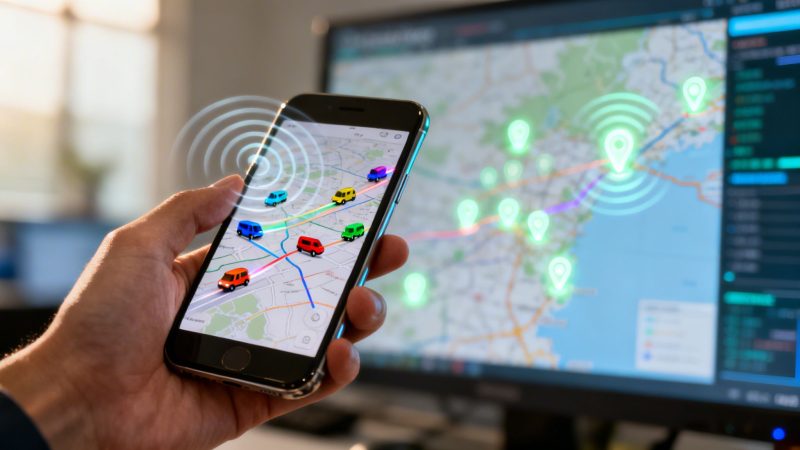
Automatic Vehicle Location (AVL) is the tech that finally replaces guesswork with certainty. It gives you a live, real-time view of where every single asset is and what it’s doing at any given moment. This is way more than just dots on a map; it's a dynamic intelligence system built on GPS, communication networks, and smart software that's absolutely essential for cutting down response times and running a tighter operation.
What Is AVL and Why Is It a Game Changer?
Imagine trying to coordinate a team of first responders or field techs using only a radio and a paper map. It’s slow, wildly inefficient, and packed with uncertainty. Automatic Vehicle Location technology is the modern answer, acting as the central nervous system for any mobile operation by providing complete visibility of your team in the field.
This technology is foundational for any organization that relies on mobile assets. It’s why platforms like Resgrid integrate real-time vehicle tracking—to give dispatchers the power to make smart, informed decisions instantly. The economic impact here is huge across a ton of sectors. Just look at the damage restoration services industry, which leans heavily on efficient dispatch and tracking; it generated $7.1 billion in revenue. You can dig into more insights on how much different markets rely on tracking tech over at IBISWorld.com.
Beyond Dots on a Map
At its heart, AVL answers three crucial questions for any manager or dispatcher:
- Where are my people? Instantly locate every team member to ensure safety and accountability.
- Who is closest to the next job? Pinpoint the nearest available unit to an incident or service call, drastically cutting down travel time.
- How can I operate more efficiently? Use location data to optimize routes, slash fuel consumption, and get rid of unnecessary mileage.
To understand how it all comes together, it helps to break down an AVL system into its three core pillars. Each part has a distinct job, but they all have to work in perfect sync to deliver the real-time data you rely on.
Core Components of an AVL System at a Glance
| Component | Function | Real-World Analogy |
|---|---|---|
| GPS/GNSS Receiver | Pinpoints the vehicle's precise latitude and longitude using satellite signals. | The vehicle's own internal compass, always knowing exactly where it is on the globe. |
| Communication Network | Transmits location data from the vehicle to a central server via cellular, satellite, or radio. | The messenger who relays the vehicle's position back to headquarters. |
| Backend Software | Processes, maps, and analyzes the incoming data, presenting it in a user-friendly interface. | The brain of the operation, turning raw location data into actionable intelligence. |
Each piece is indispensable. Without the GPS receiver, there's no location. Without the communication network, the data stays stuck in the vehicle. And without the backend software, you'd just have a stream of coordinates with no context.
By providing a clear, real-time operational picture, AVL transforms reactive management into proactive coordination. This shift not only improves service delivery but also directly reduces operational costs by minimizing wasted fuel, time, and resources.
This capability is exactly what makes AVL a game-changer. For a fire department, it means sending the closest engine to a fire, shaving critical seconds off the response. For a plumbing company, it means dispatching the nearest technician to a burst pipe, saving valuable time and preventing thousands in further damage. You can learn more about how dispatching and personnel management are combined in our comprehensive platform.
How Modern AVL Systems Actually Work
To really get what AVL is all about, you have to look under the hood at the technology making it all happen. It’s a simple three-part process that takes a signal from space and turns it into real, actionable intelligence on a dispatcher's screen. Understanding this flow is key to seeing why today's solutions are so much more affordable and easier to get started with than the old systems.
It all starts with the Global Positioning System (GPS). This is the same network of satellites orbiting the Earth that your car’s navigation or phone’s map app uses. An AVL device—whether it’s a dedicated box hardwired into a truck or just the smartphone in your pocket—listens for these signals to calculate its exact location. This is the foundational "where" of the entire system.
This diagram breaks down the simple but powerful journey of that location data, from your team in the field all the way back to your command center.

As you can see, the process moves from a raw satellite signal, through a piece of hardware, and finally into intuitive software. It’s all about turning abstract coordinates into a clear picture you can actually use.
The Hardware That Listens
Once the GPS receiver figures out where it is, the hardware takes over. Back in the day, this meant expensive, professionally installed "black boxes." These things were not only pricey but also required pulling vehicles out of service for installation, which was a huge barrier for a lot of departments and businesses.
Today, the most common—and by far the most cost-effective—piece of hardware is the smartphone or tablet your team already carries. Apps like the Resgrid Responder app turn these everyday devices into powerful, full-featured AVL trackers.
This shift from single-purpose hardware to multi-use smartphones is the single biggest money-saving development in AVL history. It eliminates thousands of dollars in upfront equipment and installation costs per vehicle, making powerful tracking accessible to any organization.
From Field to Screen
With the location data captured, it needs a way to get back to your dispatch center. That’s the job of the communication network, which is usually just the same cellular network (4G/5G) your phone uses to make calls or browse the web. The device sends its small packet of location data over this network to a central server. This is where the magic really happens.
Finally, dispatch software like Resgrid acts as the brain of the whole operation. It takes in the constant stream of location data from all your units in the field. But instead of just showing you a confusing list of coordinates, the software instantly plots every single location on an interactive map.
This isn't just a static picture; it's a live, breathing command center. A dispatcher can see who is closest to an incident and their current status (like en route or on-scene), allowing them to make critical decisions in seconds. For instance, by seeing traffic building up on the map, a dispatcher can route an ambulance around a jam, saving precious minutes. That immediate translation of raw data into an intuitive visual interface is what makes a modern AVL system an indispensable tool.
Unlocking Real-World Benefits and Cost Savings with AVL
Knowing the tech behind AVL is one thing, but seeing how it directly impacts your day-to-day operations and budget is where it really clicks. AVL isn't just another dot on a map; it's a full-blown operational system that brings real, measurable improvements to your efficiency, safety, and bottom line.
The first thing you’ll notice is a huge jump in response times. When a call drops, the old way was to get on the radio and start asking units for their location. Now, a dispatcher instantly sees who’s closest and can send them on their way. That process goes from minutes down to seconds—and in an emergency, those seconds are everything.
This kind of real-time visibility is also a massive boost for personnel safety. When things get dicey, command staff knows exactly where every single person is. This is vital for situational awareness. It means backup gets sent to the right spot, and you can account for everyone on scene, making the entire operation safer.
Slashing Costs Through Smarter Operations
Beyond the immediate tactical gains, AVL is a straight line to serious cost savings. For any mobile fleet, fuel is one of the biggest line items in the budget. With AVL, you can start analyzing routes, spotting inefficiencies like excessive idling or drivers taking the long way around, and optimizing travel to avoid traffic.
When you take a data-driven approach like this, you burn less fuel, which also means less wear and tear on your vehicles and fewer maintenance headaches down the road. Another huge money-saver is cutting out unauthorized vehicle use. You can set up alerts for when a vehicle is used after hours or leaves a designated area, letting you shut down misuse that wastes fuel and adds liability.
The core financial benefit of AVL is simple: it allows you to do more with the same resources. By improving efficiency, your team can handle more calls or jobs per day without adding staff or vehicles, directly boosting productivity and demonstrating a clear return on investment.
Practical Examples of AVL Savings
Let's ground this in the real world. A plumbing company using AVL gets an emergency call for a burst pipe. Instead of sending a tech who's ten miles away across town, they can dispatch one who's just two miles away. That one decision saves fuel, cuts down travel time, and frees that technician up to complete more jobs that day.
- Actionable Insight: Dive into the historical data from your AVL system and look at travel patterns over the last month. Find your most common routes and check if there are shorter, more efficient alternatives your team isn't using. A practical example: if your delivery trucks always take the main highway during rush hour, historical AVL data might show that a secondary road, while slightly longer, saves 15 minutes and a gallon of fuel per trip by avoiding traffic. Making this one route adjustment for a fleet of 10 trucks could save thousands in fuel and labor costs annually.
Connecting AVL Features to Your Bottom Line
The features packed into modern AVL systems are all designed to produce tangible financial results. Every piece of data is an opportunity to fine-tune your operations and cut costs. Once you understand this connection, you can turn a technology investment into a serious financial asset for your organization.
Here’s a quick breakdown of how specific AVL features translate directly into savings.
Connecting AVL Features to Your Bottom Line
| AVL Feature | Operational Improvement | Direct Cost-Saving Impact |
|---|---|---|
| Real-Time Mapping | Instantly dispatching the closest available unit to a new call or incident. | Reduces fuel consumption and vehicle mileage, leading to lower fuel and maintenance costs. |
| Route Optimization | Analyzing historical travel data to identify and implement the most efficient routes. | Slashes wasted fuel from inefficient travel and minimizes non-billable drive time. |
| Geofencing Alerts | Setting virtual boundaries and receiving notifications when vehicles enter or exit. | Prevents unauthorized vehicle use, reducing fuel waste and potential liability costs. |
| Idling Reports | Tracking how long vehicles are running while stationary. | Lowers fuel costs by identifying and correcting excessive idling habits across the fleet. |
As you can see, it's not just about tracking. It's about turning that tracking data into smarter, more cost-effective decisions that benefit the entire operation.
AVL in Action for First Responders and Dispatch

This is where the rubber meets the road. Automatic Vehicle Location isn't just a neat tech feature; it's a tool that saves lives and protects resources in the real world.
Picture this: you're a dispatcher, and a call comes in for a multi-vehicle pileup on the freeway. Without AVL, you're flying blind, relying on radio check-ins and pure guesswork. But with it, the game changes completely.
On your screen, an AVL-powered map instantly paints a picture of every available unit's real-time location. You don't have to guess who's closest—you can see it. With just a few clicks, you identify and dispatch the three nearest assets—a police cruiser, a fire engine, and an ambulance. You've just shaved critical minutes off the response time when every single second counts.
Pinpointing the Right Resources Instantly
It’s about more than just proximity. AVL gives you the deep situational awareness you need for effective command and control. You can see not only where your units are, but also what their capabilities and current statuses are.
This is absolutely essential for specialized emergencies. Let's look at a couple of practical examples:
- EMS Services: A call reports a pediatric cardiac arrest. Instead of sending just any ambulance, the dispatcher uses the AVL system to filter for and locate the nearest unit equipped with specialized pediatric gear. That child now gets the exact care they need, as fast as humanly possible.
- Fire Departments: During a massive structure fire, the incident commander can track the precise location of every engine, ladder truck, and battalion chief on a live map. This helps them manage staging areas, prevent units from getting gridlocked, and maintain control over a chaotic, fast-moving scene.
The screenshot below shows what this looks like in practice—a unified view of units, personnel, and active calls, all on one map.
This real-time operational picture empowers dispatchers to make faster, more accurate decisions that directly impact what happens out in the field.
A Critical Part of Modern Dispatch
AVL technology has become a non-negotiable component of modern Computer Aided Dispatch (CAD) systems. Platforms like Resgrid have processed hundreds of thousands of calls and status updates, showing just how valuable this integrated location data is. The fact that over 4,000 departments use the system is a testament to AVL's importance in coordinating effective emergency responses.
By displaying personnel, units, and calls on a single dashboard, these systems create total operational transparency and sharpen decision-making. You can dive deeper into the technical details of Resgrid's system architecture to see how it all works behind the scenes.
At its core, AVL for first responders is all about eliminating uncertainty. It replaces the question "Where are you?" with the statement "I see you," transforming a reactive process into a proactive command strategy.
This shift is fundamental. It empowers dispatch centers to do more than just send the closest unit; they can manage incidents dynamically as they unfold. For example, if the first-arriving ambulance gets stuck in a surprise traffic jam, the dispatcher sees it on the map and can immediately reroute or dispatch another unit without missing a beat. This level of agility is only possible with a clear, live view of all your assets in the field.
How to Choose the Right AVL System for Your Team
Picking the right Automatic Vehicle Location system isn't just a technical choice—it's a critical financial decision that ripples through your entire operation. Nail it, and you'll see a real boost in efficiency and safety. Get it wrong, and you're stuck with wasted money and frustrated people. The secret is to cut through the sales noise and focus on what your team actually needs to get the job done.
The first big fork in the road is deciding between dedicated hardware and a more modern, app-based approach. The old-school way meant installing a pricey "black box" in every single vehicle. That process involved a hefty upfront cost and taking vehicles out of service for installation—we're talking hundreds or even thousands of dollars per vehicle before you've tracked a single asset.
Today, platforms like Resgrid flip that model on its head by using the GPS that's already in the smartphones and tablets your team carries every day. This software-first approach is a game-changer for your budget, wiping out those big hardware and installation fees right from the start.
Balancing Cost with Performance
Once you've sorted out your hardware (or lack thereof), the next thing to tackle is the data refresh rate. This is simply how often the AVL system pings a unit's location to update it on the map. Do you need a 30-second update, or are you in a high-stakes situation that demands near real-time, five-second tracking?
A faster refresh rate gives you a sharper, more accurate picture of what's happening right now, but it can chew through more data and drain device batteries faster. The smartest, most cost-effective systems let you adjust this rate, so you're only paying for the level of precision you truly need.
This flexibility is everything. A logistics company might be perfectly fine with a one-minute update. But for a law enforcement agency responding to a live incident, those five-second updates could be absolutely vital for officer safety.
Key Factors for Your Checklist
Choosing the right system is about more than just seeing dots on a map. You have to look at the whole package to make sure it lines up with how you operate and what your budget can handle. As you start comparing your options, keep these critical factors on your checklist:
- Network Reliability: Does the system run on cellular (4G/5G) or satellite? Cellular is cheap and works great for most areas. But if your teams are operating in the middle of nowhere with zero cell service, satellite is non-negotiable.
- Data Security: How is your location data being protected? You need to know the provider uses strong encryption and has a rock-solid security plan to keep your sensitive operational data out of the wrong hands.
- System Integration: Will this new AVL system play nice with the tools you already use, like your Computer Aided Dispatch (CAD) platform? A solution that integrates smoothly gets rid of data headaches and creates a single, unified workflow for your command staff.
- Total Cost of Ownership: Don't just look at the monthly subscription fee. Add up all the potential costs—hardware, installation, training, and ongoing support. Modern SaaS platforms often have a much lower total cost because they eliminate most of these extra fees.
By thinking through these points, you can find an AVL system that delivers maximum value without blowing your budget. To see how different options stack up, you can learn more about different plans and what they include to find the perfect fit for your team.
Getting The Most Out of AVL With Resgrid

It's one thing to understand what AVL is and how it works, but actually putting it to use without breaking the bank is what really counts. We designed Resgrid to make powerful Automatic Vehicle Location tech accessible to just about any organization. We do it by getting rid of the single biggest financial roadblock of traditional systems: expensive, specialized hardware.
Instead of sinking thousands into dedicated tracking units and paying for installations, Resgrid leverages the smartphones and tablets your team already has in their pockets. That decision alone can save a small fortune per vehicle, putting advanced AVL in the hands of departments and businesses that couldn't justify the cost before. It’s a practical, modern way to look at fleet management.
How It All Works Together
The real magic happens when you see how Resgrid weaves AVL into a complete command and communication platform. A typical workflow really shows this off, turning what could be a complicated process into just a few simple steps.
- The Call Comes In: A dispatcher gets an emergency call or a service request, and it pops up instantly on their dashboard.
- Find and Dispatch: Using the live map, the dispatcher sees every available unit in real-time. They can spot the closest, most appropriate responder and send the alert right to their app.
- Watch Them Roll: As the responder accepts the call and starts moving, their location is tracked live on the dispatch map. You get total visibility from the moment they're dispatched until the job is done.
This unified view means dispatchers can make faster, smarter decisions without having to jump between a half-dozen different programs or screens.
With Resgrid, AVL isn’t just another feature tacked on the side—it's baked into the core of the system. This tight integration simplifies everything, cuts costs, and gives your entire team a single source of truth to work from.
This approach makes sure you get the most value out of the tool. You can dive deeper into all the integrated tools in our complete overview of Resgrid's dispatch and communication features.
A Few Common Questions About AVL
Do I Need Expensive Special Hardware for AVL?
Not anymore. It used to be that AVL meant bolting a dedicated, pricey piece of hardware into every single vehicle. Frankly, that was a huge barrier for a lot of departments. But today, modern systems like Resgrid can use the GPS that's already built into every smartphone.
This is a game-changer. By using an app, the devices your team already carries become powerful location trackers. You can get up and running without spending thousands of dollars on upfront hardware costs for each vehicle, making powerful AVL tech accessible and affordable. For example, a department with 10 vehicles could save over $5,000 in hardware and installation costs right away, money that can be reallocated to other critical needs.
How Accurate Is This Technology?
The GPS in modern smartphones is incredibly accurate, usually able to pinpoint a location within just a few meters. The real key, though, isn't just raw accuracy—it's about balancing that precision with battery life and performance.
A good system gives you control over that balance. For instance, Resgrid lets you fine-tune how often location updates are sent. During a major incident, you might crank it up for near-instant tracking. But for routine, day-to-day operations, you can slow it down to conserve everyone's device battery. This flexibility is an actionable cost-saver: reducing the update frequency during non-critical hours lowers cellular data consumption across your entire fleet, trimming your monthly data bills.
Is AVL a Pain to Set Up?
It definitely can be, depending on the route you take. If you go with a hardware-based system, you're looking at a potentially complex and costly installation process for every vehicle in your fleet.
The smarter, simpler approach is a cloud-based platform like Resgrid. It was built from the ground up for an easy, do-it-yourself setup. Because AVL is baked right into the system, you don't have to wrestle with complicated integrations. You just invite your team, have them download the app, and their locations start popping up on your map. It’s that straightforward.
Ready to see how simple and affordable a powerful AVL system can be? Resgrid offers a complete dispatch, communication, and tracking solution without the high costs of traditional hardware. Get started today and see your team on the map in minutes.