
Enhancing Real-Time Dispatch Effectiveness in Emergency Response
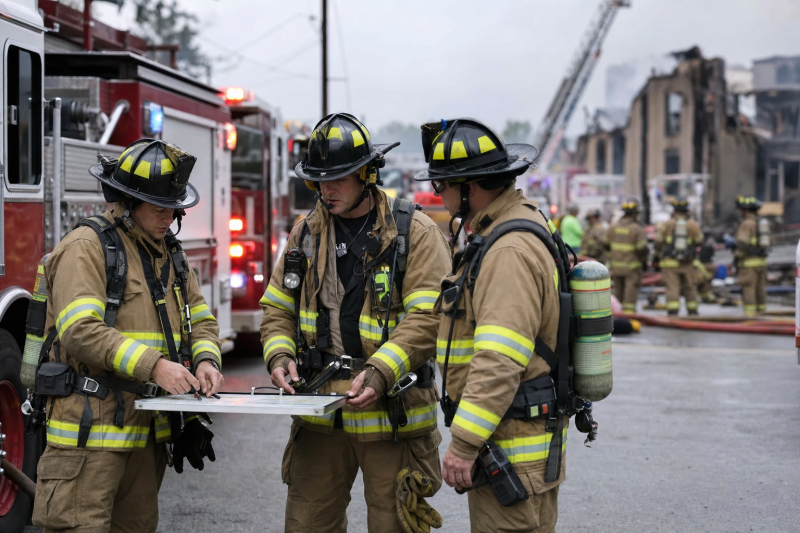
Imagine a fire department scrambling to respond to a multi-vehicle accident without coordinated dispatch. The air is filled with the chaos of incoming calls, and responders must rely on scattered, sometimes outdated information. Mistakes can cost lives, yet without real-time data, these teams are flying blind. For every minute a response team is delayed, the risk to victims and property increases exponentially.
In the high-pressure world of emergency response, seconds matter. Outdated dispatch systems compound the pressure, leaving first responders without the critical real-time information they need. Many agencies still depend on legacy systems; these are often slow, offer minimal integration options, and are unable to provide a holistic view of an ongoing incident. This inefficacy not only frustrates frontline personnel but can also lead to missed communications, delayed responses, and adverse outcomes.
Modern real-time dispatch systems, however, offer critical enhancements that lean heavily into the technology of the 21st century, fundamentally transforming how emergencies are managed. These systems provide first responders with instantaneous, precise data and communication channels, reducing average response times by substantial margins.
Understanding Real-Time Dispatch System Features
Live GPS Tracking
Real-time dispatch systems leverage live GPS tracking to monitor and manage the locations of emergency vehicles and units. This feature ensures that dispatchers have an accurate, up-to-date picture of available resources, enabling more efficient resource allocation and faster response times.
Dynamic Data Integration
Advanced systems integrate with other databases, offering dispatch teams immediate access to vital information such as patient medical histories, building floor plans, and fire hydrant locations. Resgrid, for instance, offers an integrated mapping solution that visually assists in planning and quick decision-making during emergencies.
The Impact of Real-Time Dispatch on Response Times
Reducing Time-to-Dispatch
Research shows that real-time dispatch systems can cut the initial time-to-dispatch from an average of 2-3 minutes to under 60 seconds. This immediate dispatch is critical in scenarios where every second saves a life.
Minimizing Route Inefficiencies
Enhanced route management tools reduce travel times significantly by providing up-to-the-minute traffic updates and alternate routes. Agencies with real-time capabilities report a 15-20% decrease in average response times.
Choosing the Right Dispatch System
Core Features Comparison
| Criteria | System A | System B | Resgrid |
|---|---|---|---|
| GPS Tracking | Basic | Advanced | Advanced |
| Data Integration | Limited | Moderate | Seamless |
| Inter-agency Communication | Basic | Advanced | Advanced |
| Cost Efficiency | High | Moderate | Cost-effective |
Questions to Ask Vendors
- What is the average response time improvement from implementing your system?
- How does your system integrate with existing databases and technologies?
- What kind of training and support does your system require?
- Can your system scale with our department’s growth?
- What are the hardware requirements and associated costs?
Implementing a Real-Time Dispatch System
Pre-Implementation Preparation
- Assess the current dispatch system and identify key areas for improvement.
- Define clear goals and objectives for the new system implementation.
- Gather stakeholder input and address potential concerns.
Training and Support Strategy
- Conduct comprehensive training sessions for dispatch and response teams.
- Establish ongoing tech support and system updates to ensure seamless operations.
- Utilize Resgrid’s personnel management features to streamline onboarding.
“A properly implemented dispatch system not only saves time but promotes accountability and resource efficiency.”
Real-World Application Scenarios
Scenario: Multi-Car Crash Response
When a 5-car collision occurs on the freeway, leveraging a real-time dispatch system can orchestrate a swift and coordinated response. The system alerts and routes the nearest available EMS teams using live traffic data to avoid congested routes. It records a 25% faster response time and better patient outcomes compared to non-digital counterparts.
Scenario: Fire Incident Management
In a urban neighborhood fire scenario, a real-time system aligns fire, EMS, and police units, enhancing cross-agency cooperation through integrated messaging and AVL (Automatic Vehicle Location) tools, as seen in Resgrid’s AVL solutions.
“With each minute saved in dispatch, we multiply our chances of preserving life and property.”
Potential Challenges and Trade-Offs
Budget Constraints and Investment Return
While upfront costs can be significant, the return on investment in terms of reduced response times and enhanced safety can justify the expenditure. Agencies must weigh costs against the potential for life-saving outcomes.
Technology Integration and Downtime Risks
An essential consideration is the compatibility of new systems with existing technologies. Unexpected downtimes could impair operations; thus, choosing a system with robust support and contingency plans is crucial. Always verify the supplier’s reliability, similar to Resgrid’s trusted track record.
Real-time dispatch systems have revolutionized emergency response mechanisms, substantially cutting response times and improving efficiency. Transform your agency’s dispatch capabilities with an open-source, adaptable option like Resgrid, which stands as a benchmark for effective transformation within emergency services.